FROM SARAH MCABEEWhat happened to the 1776 Fund?
STAND FOR JUSTICE™  /  POLICY REFORM

Invest in Our Future Neighbor
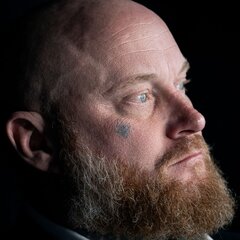
Shane Jenkins
SHANE JENKINS'S VISION FOR PRISON REFORMCo-Founder & Stand for Justice™ Coordinator, Stand In The Gap Foundation

Almost everyone in prison is coming home one day. The only question is who they are when they get here.

Right now the system runs on the cheapest possible everything: the cheapest food, the cheapest care, the lowest pay. Vendors and contractors do fine. The person inside doesn't change. Then he comes home, the cycle starts again, and the taxpayer pays twice, once to lock him up and again for the damage. Shane Jenkins wants to move America's prisons and jails from a for-profit model to an investment in the people who will one day be living next door.

95%of state prisoners will be released at some point.Bureau of Justice Statistics
82%of people released from state prison are arrested again within 10 years.Bureau of Justice Statistics, 2008 release cohort
600%The highest commissary markups found on items sold to people inside.The Appeal, Locked In, Priced Out
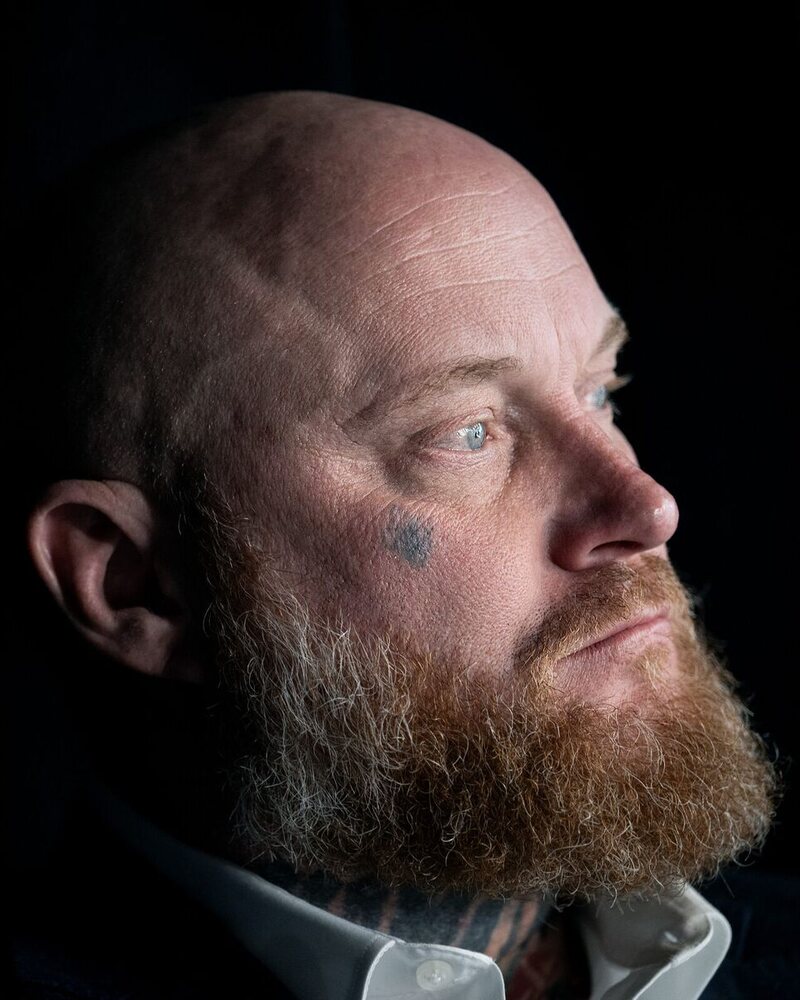
“Think of it like a product. What are we releasing back into our communities? Is it something we'd put our stamp of approval on, or whatever cost the least to send back out? If it's the cheapest one, we should be ashamed, because it's our own neighbors who pay for it.”
SHANE JENKINSCO-FOUNDER & STAND FOR JUSTICE™ COORDINATOR
Portrait of Shane Jenkins, Stand In The Gap co-founder, looking off to the side against a dark background
WHOSE PLAN THIS IS

This plan comes from someone who lived it.

Invest in Our Future Neighbor is Shane Jenkins's idea and his vision. Shane is a co-founder of Stand In The Gap and leads our Stand for Justice™ initiative. He brings firsthand experience and deep empathy as a former January 6th defendant, and he has been through federal prosecution and federal prison himself. He worked a prison job for pennies, watched what the commissary charged families, and saw who walked out the gate and what they walked out to.

Everything on this page comes from what he saw on the inside. Stand In The Gap is proud to stand behind his vision and to carry it to lawmakers, to the press, and to anyone willing to listen.

WHY WE FIGHT

Faith and community come first.

This is a moral fight before it's a policy fight. Everything in this plan rests on it.

Many of the lawmakers who write our criminal justice laws say they follow Jesus Christ. That gives us a real chance to hold them to it, because Jesus didn't leave the prisoner out. In Matthew 25 He named the hungry, the thirsty, the stranger, and the sick, and then He said this:

“I was in prison, and ye came unto me… Inasmuch as ye have done it unto one of the least of these my brethren, ye have done it unto me.”MATTHEW 25:36, 40 (KJV)
“Remember them that are in bonds, as bound with them.”HEBREWS 13:3 (KJV)

If you claim the name of Christ, you can't forget the prisoner or leave him behind. Investing in the people inside isn't soft on crime. It's obedience.

But we can't wait on the government to do it for us. The responsibility falls on the community, and especially on the church. Ministries like CHARM Prison Ministry, God Behind Bars, and Prison Fellowship are already inside and already changing lives. Part of this plan is simply to back those ministries, help them grow, and connect them to every facility we touch. Policy opens the doors. People of faith walk through them.

SHANE'S STORY“I gave my life to Christ at a CHARM Prison Ministry event through the Prison Fellowship program, so I know what that looks like.”
THE PLAN, IN SHANE'S WORDS

Built on faith and community, Shane's plan stands on six pillars.

1

Stop marking up the poorest people

The people paying commissary and phone prices are some of the poorest people in America, and most of the time it's really their families paying. A national investigation found prison prices running up to five times what the same item costs outside.

It isn't only the vendors. Many states take a cut of every sale. That gives the system a reason to keep prices high, on the backs of the people least able to pay.

In Vermont, the commissary vendor pays the Department of Corrections a 32% commission on everything it sells.Vermont Department of Corrections testimony to the Vermont House, 2025
WHAT WE PUSH FOR
  • A cap on commissary and phone prices tied to local retail prices.
  • No commissions or kickbacks to the agency on anything sold to people inside.
  • Public price lists, audited every year.
  • Straight answers on who profits, how much, and why it falls on these families.
2

Feed and treat people like future neighbors

When the goal is the lowest cost per meal, you get the cheapest food money can buy. Bad food leads to bad health. Bad health leads to medical bills. And the taxpayer pays those bills, inside and after release.

The fix is to treat people like they'll be living next door, because they will.

WHAT WE PUSH FOR
  • Buy food from local farmers and co-ops near each facility, so the money stays in that community.
  • Better medical and mental health care now, which costs far less than treating chronic illness later.
  • A healthy food fund, where people earning a real wage put part of their pay toward better food for everyone.
  • An inside grocery store where people can buy real food with money they earned.
3

Real work for real wages

Shane worked in federal prison and was paid by the piece. On a good day he made about $3. That's normal. Federal prison factory jobs pay pennies an hour, and most people who want one never get it.

UNICOR, the federal prison factory program, typically pays 23¢ to $1.15 an hour. Only 8% of work-eligible people take part, with about 25,000 more on the waiting list.Federal Bureau of Prisons

A better model already exists in federal law. The Prison Industry Enhancement Certification Program requires that people in certified prison jobs earn the prevailing local wage, never less than the federal minimum. It covers only a few thousand workers nationwide. We want it enforced and expanded.

At $10 an hour, a full week is $400. That is life-changing for someone inside. Instead of borrowing from his kids' mom or his grandmother, he sends money home, pays his restitution, and saves for the day he gets out.

WHAT WE PUSH FOR
  • Never less than the federal minimum wage for prison work.
  • A tax credit for companies that bring factories home from overseas and build them near correctional facilities. The savings come from the tax credit, not from shorting the worker.
  • Jobs waiting at home, through partnerships with national employers that already have locations where these men and women will return.
  • Jobs for the towns around prisons, too, not just a prison.

These are jobs coming back from overseas. They aren't being taken from anyone here.

4

Community service crews

There is an untapped workforce inside, and it can serve the same communities it's going home to. It saves taxpayers money, and it trains people for real jobs so they can make a decent living when they get out.

WHAT WE PUSH FOR
  • Crews that fix Little League ballfields and city parks.
  • Neighborhood cleanups.
  • Work in state and national parks.
  • Help on road projects.
5

Reward the people doing the work

A lot of people inside can turn their lives around, and we should put our investment where people want to change. Placement should depend on what someone is doing now, not only on what put them there.

RIGHT TRACK

Anyone working to do better: earning an education, learning a trade, holding a job, giving back to their family and community. This is where the investment goes, including better food, longer visits, and more opportunity.

WRONG TRACK

People dealing drugs, running contraband phones, or assaulting or harassing staff. They belong in higher-security settings until they choose differently.

The program is voluntary. People apply to get in. Anyone can opt out of the work and skills program without punishment. They stay on the standard food and treatment and simply don't receive the added benefits. People with legitimate medical disabilities are never penalized for being unable to work.

Organizations like Prison Fellowship have already studied what works in prisons around the world. We are the greatest nation in the world. We should have the best results in the world.

6

Change the rules at every level

Prison isn't supposed to be a business. It's for people who broke the law and need to learn a better way. Getting there means changing the rules everywhere people are held, and bringing the church inside.

Federal lawA reshoring tax credit for plants built near prisons, a bigger hiring credit for employers who hire people coming home, and an expanded real-wage prison jobs program.
Bureau of PrisonsReal wages, better food and medical care, Right Track units, and community service crews.
State legislaturesA model bill states can adopt: commissary price caps, wage floors, and local-farm food contracts.
State prisons & county jailsBetter protocols, public price lists, and no commissions on commissary sales.
Churches & ministriesBack and grow CHARM Prison Ministry, God Behind Bars, Prison Fellowship, and others, connect them to every facility, and hold lawmakers who claim the name of Christ to Matthew 25.
WHERE WE START

Prove it works with a pilot.

We don't need to rebuild the whole system at once. We're working toward a pilot program in a single facility to show what happens when people inside are paid fairly, fed well, and given a real path home. Then we take the results to every state capitol and to Washington.

SOURCES

Stand In The Gap Foundation® is a 501(c)(3) nonprofit. It is not a law firm, does not provide legal advice, and does not represent anyone.